Receive all the latest news and insights straight to your inbox
Subscribe
Subscribe


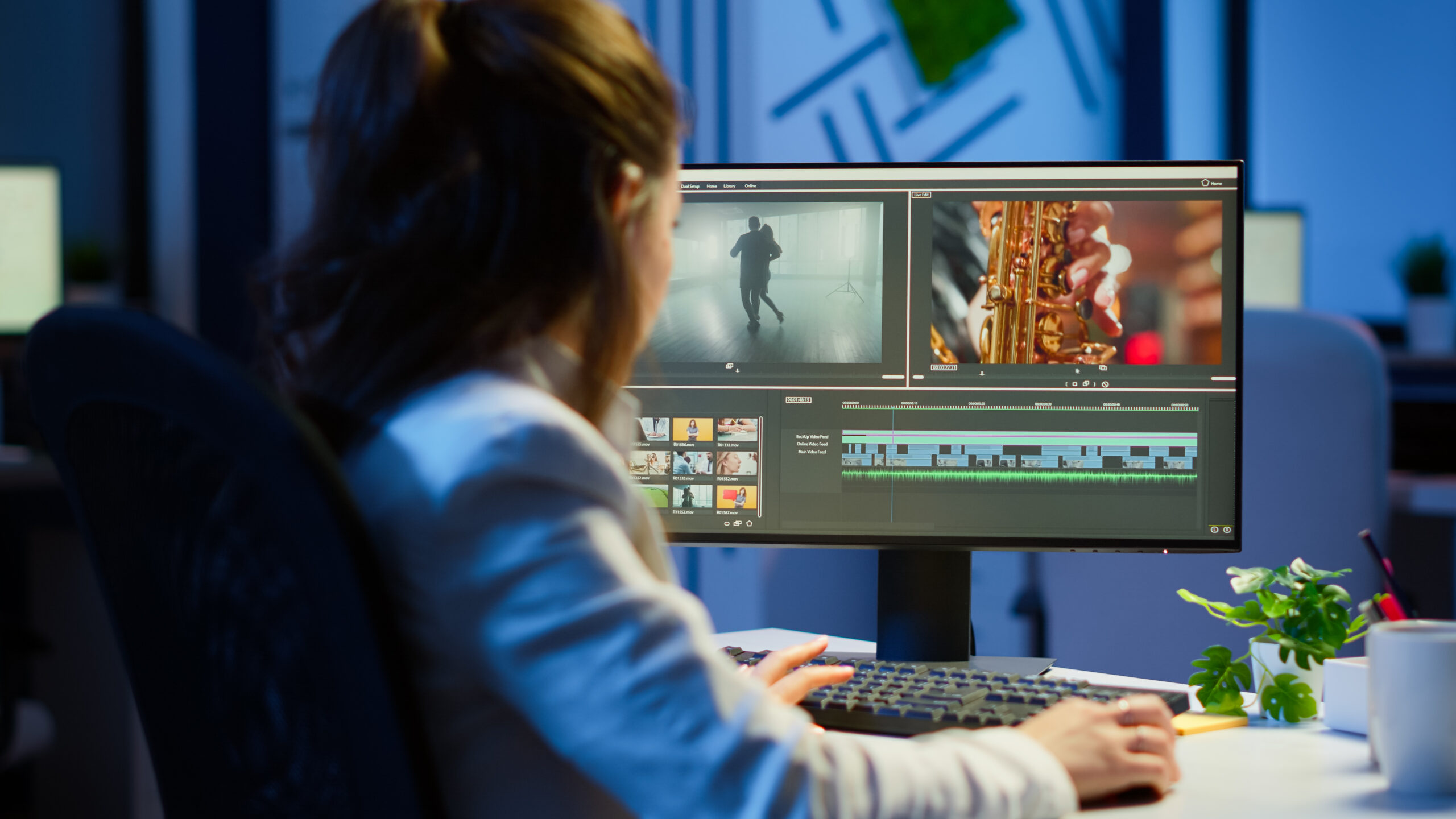


The increased usage of AI within the film and entertainment industry has significantly changed how films are made. From a writer using Claude to review a script, or a composer using Suno to craft the soundtrack, its use has become extremely commonplace. While it is a tool that can enhance the creative process, there are also concerns regarding confidentiality risks, ownership limitations and other labour issues.
Artificial Intelligence – an introduction
Artificial Intelligence, or AI, is now an umbrella term for a variety of different services, including Large Language Models (LLMs), Generative AI (GenAI), and, in a film context, Digital Replicas, which all have somewhat different usages and rules depending on their application.
GenAI is a subset of artificial intelligence that takes inputs, learns the patterns, and then produces outputs, like pictures or videos. This can do a variety of things, from simulating a performers facial expressions and voice to composing an entire soundtrack.
LLMs are likely the first thing that comes to mind when AI is mentioned. This is a sub-type of GenAI that generates text, for example chatbots like ChatGPT and Claude. This has been used to help with writing scripts and reviewing contracts.
Digital replicas are representations of a real person’s voice, face, or likeness that is created using digital technology and in connection with a performer’s engagement on production. This is done for the purpose of portraying a performer in a film or soundtrack that they may not have actually performed in. While this may just sound akin to motion capture or CGI, Digital Replicas require a scan of the actor’s face and/or body, which then, using AI technologies, is animated to perform a scene without the physical presence of the performer. This can be applied in a variety of contexts, including putting an actor’s face onto a stunt double and using a deceased performer’s likeness in a recurring role.
Actors
Actors have become concerned about the increase in AI usage because of the potential threats to privacy and job security, particularly as synthetic performers are introduced.
The concerns relating to privacy stem from the fact that facial scans used for digital replicas must be stored for use throughout production, which if stored in perpetuity, could be used outside of production or on other projects without their knowledge. Screen Producers Australia and the Media Entertainment and Arts Alliance have proposed to amend the Actors Television Program Agreement (ATPA) by adding a new clause regarding the use of AI. This establishes the general principle that any AI usage, particularly facial scans for digital replicas, must receive clear and conspicuous consent from the Performer. In the event digital replicas are used in a film, it will be important to consider how these scans are stored, noting potential security risks if they were to be kept within an external third-party software.
The ATPA AI clause also discusses synthetic performers, noting that producers must alert the MEAA to bargain over appropriate consideration equal to what a human performer would have been paid for that work. Also, if a producer is taking inspiration from facial features that are recognisable as a specific human performer, then said performer must grant permission prior to use.
Art Departments
Art departments may use AI for the purpose of designing props and speeding up the process of creating computer generated materials. With digital replicas, for example, the use of AI has streamlined the process of placing an actor’s face onto that of a double, saving significant time. However, issues may arise in the creation of any original props as ownership may be limited for any creative assets that are AI generated, noting that purely AI generated materials are not granted the copyright protections provided to human-made content. Many studios are now requiring authorisation of any AI Generated assets, even banning its use altogether, to ensure that IP ownership is not questioned.
Screenwriters
LLMs may be used by writers to assist with structuring a script or setting the tone, however, similarly to the work of art departments, any outputs may not be copyrightable or may unwittingly use copyrighted material. This is particularly the case when the service used is free rather than paid. Also, by running the scripts through an LLM to check for grammar, tone or wording, there may be concerns regarding privacy given many use any inputs as training data. It is imperative that a clause limiting the use of such software is placed into any employment contracts to protect the intellectual property of the film or show.
Score Composition
Similarly to both the art department and screenwriters, composers may use GenAI assist or takeover the writing and composition of a film’s soundtrack. While this may help in speeding the process up, there may be ownership of the compositions, noting that purely AI generated works do not attract copyright protections and may itself breach copyright law. It will be important to ensure that AI is a tool in this scenario, highlighting the importance of human authorship in obtaining copyright.
What producers needs to know
Given the introduction of the new rules and guidelines above, it will be important to create a clear clause limiting or, in some situations, banning the use of AI, particularly in situations involving confidential or sensitive information. More specifically for actors, a producer will need to add in a clear clause on AI usage in a performer’s contract to gain clear consent and to facilitate an awareness of their intentions.
marshalls+dent+wilmoth experienced team of media and entertainment lawyers have a strong understanding of these new guidelines and can assist any production team in navigating the use of AI within Australian and International motion pictures.