Receive all the latest news and insights straight to your inbox
Subscribe
Subscribe


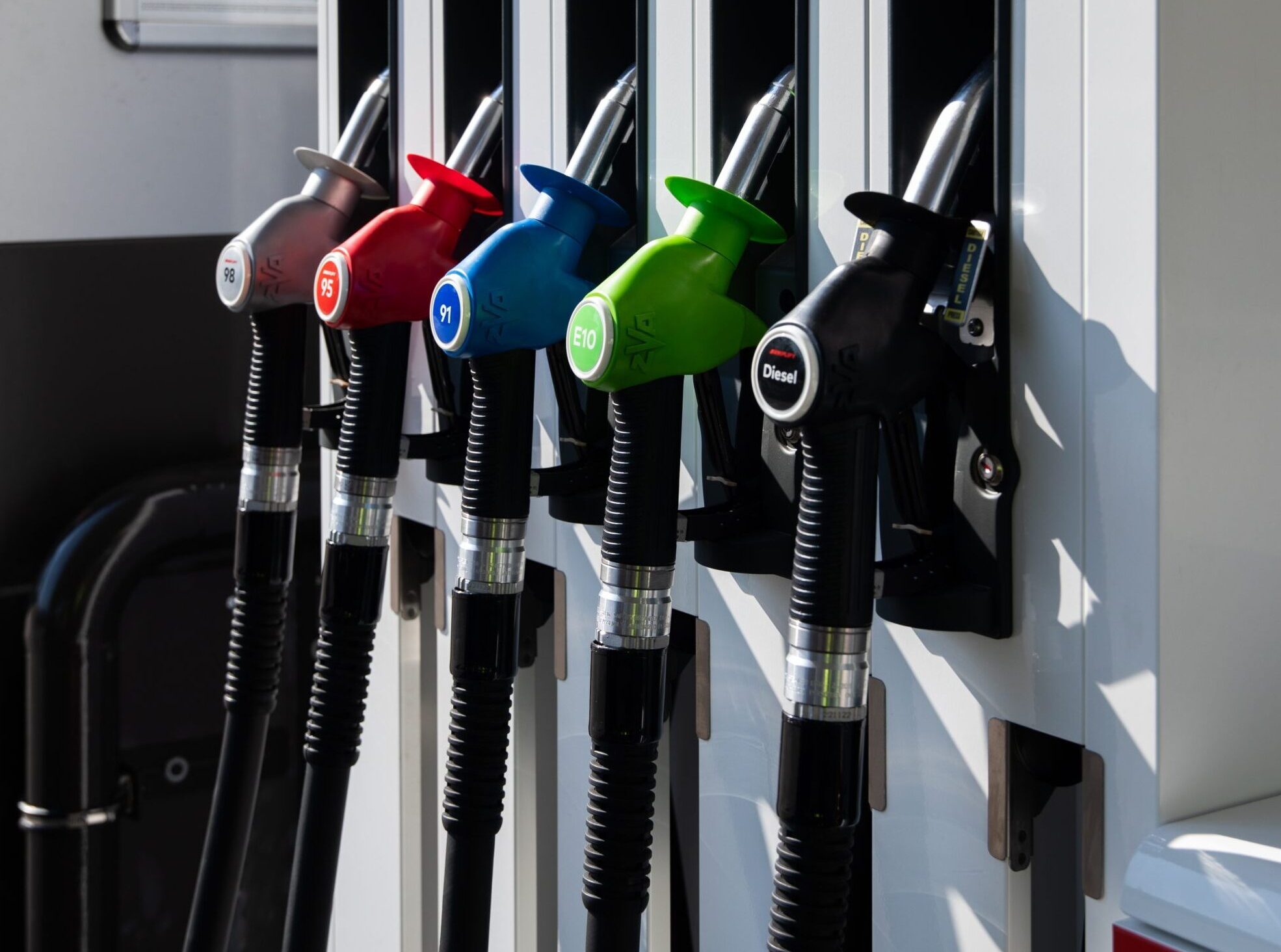


Recent increases in fuel prices have prompted renewed public concern about “price gouging” and whether businesses are acting lawfully. While the commercial drivers of these increases are well understood, the legal position is often misunderstood. For businesses, fuel pricing provides a useful example of how Australia’s consumer and competition laws operate in practice.
There is no general prohibition on high pricing in Australia. Businesses are entitled to set their own prices in response to market conditions, even where those increases are significant or occur rapidly. However, pricing conduct is regulated under the Competition and Consumer Act 2010, including the Australian Consumer Law.
The key legal risk lies not in the price itself, but in the conduct surrounding it. In the current environment, businesses should be particularly mindful of:
This explains the heightened scrutiny from the Australian Competition and Consumer Commission, which is actively monitoring fuel pricing and investigating potential anti-competitive behaviour in supply chains. Importantly, the ACCC is not regulating price levels, but rather the conduct of market participants.
This regulatory focus is being reinforced by proposed legislative changes introduced by Jim Chalmers to increase penalties for breaches of competition and consumer laws. If passed, these reforms will lift maximum penalties from $50 million to $100 million for certain contraventions, with existing turnover based penalties continuing to apply. The practical effect is a significantly heightened financial risk for businesses engaging in misleading conduct or cartel behaviour. While these changes do not introduce a prohibition on high pricing, they signal a clear shift toward stronger enforcement and deterrence.
For businesses, the takeaway is straightforward. In periods of market volatility, pricing decisions may be commercially justified, but the way those decisions are communicated and implemented must remain compliant. The fuel sector is simply the most visible example of a broader risk that applies across all consumer-facing industries.
Key takeaways for businesses